
Precious Metal Material Guide
Gold is a highly malleable, non-toxic precious metal with outstanding corrosion-resistant and hypoallergenic qualities, well known for its lasting value[cite: 6]. Pure 24K gold is extremely soft and cannot be used directly for fine jewelry settings[cite: 6]. To improve hardness and durability, gold is alloyed with precise ratios of copper, silver, and other metals[cite: 6].
18K Gold = 75% pure gold blended with 25% alloy metals[cite: 6]. This is our standard luxury custom-jewelry metal[cite: 6]. It balances rich golden color, enough hardness for stone setting, scratch resistance, and long-term wearability[cite: 6].
- Yellow 18K Gold: Classic warm golden tone, the most timeless choice for high-end jewelry[cite: 6].
- White 18K Gold: Alloyed with nickel, palladium, or zinc to achieve a cool silvery-white finish[cite: 6].
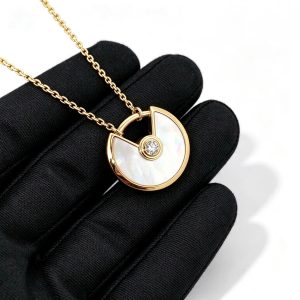
- Rose 18K Gold: Higher copper content creates the popular soft pink-rose tone[cite: 6].
Pronounced “ver-may”[cite: 6]. Vermeil means a thick layer of real gold electro-plated over a solid 925 sterling silver base[cite: 6]. It offers the visual luxury of gold at a more accessible price tier[cite: 6].
Always check the official metal stamp (hallmark) on finished jewelry[cite: 6]:
| Karat / Stamp | Pure Gold Ratio | Application Standard |
|---|---|---|
| 24K | 99.9% Pure Gold | Too soft for daily wear settings[cite: 6] |
| 18K | 75.0% Pure Gold | Our main custom-jewelry standard[cite: 6] |
| 14K / 10K | 58.3% / 41.7% Gold | Lower gold content (not used in our luxury collection)[cite: 6] |
Different countries have legal requirements for minimum gold karat for commercial sale[cite: 6]. All our pieces carry clear, internationally-recognized hallmarks[cite: 6].
- 18K gold is durable and ideal for setting diamonds and colored gemstones[cite: 6].
- Clean gently with warm soapy water; do not use harsh chemical cleaners, bleach, or abrasives[cite: 6].
- Gold can scratch[cite: 6]. Store separately inside a lined fabric jewelry box to avoid friction against harder jewelry[cite: 6].
- If prongs or settings become damaged, return to our professional jewelers for repair[cite: 6].
Sterling silver shares the soft, malleable nature of pure gold, so copper is alloyed into the silver to increase rigidity[cite: 6]. To legally qualify as Sterling Silver, the metal must contain a minimum of 92.5% pure silver[cite: 6].
Polished sterling silver delivers an exceptional bright luster that can rival platinum[cite: 6]. Our silver pieces can be finished in many textures: high polish, matte, brushed, sand-blasted, oxidized, or antique finishes for bespoke styling[cite: 6].
Rhodium plating is often applied over sterling silver[cite: 6]. This hard, bright precious metal coating minimizes scratches and greatly slows silver tarnishing[cite: 6].
- Silver naturally reacts with sulfur and airborne pollutants and will gradually tarnish (darken)[cite: 6]. Humidity and high-speed temperature changes accelerate the process[cite: 6]. This is a natural property of silver, not a manufacturing defect[cite: 6].
- Use specialized silver polishing cloths or silver cleaner to remove oxidation and restore shine[cite: 6].
- Keep silver jewelry dry; remove before bathing, swimming, or using perfume[cite: 6]. Store separately in an air-tight soft-lined box when not being worn[cite: 6].
- Important note: A small percentage of wearers may experience minor skin reactions to silver alloy[cite: 6]. All our sterling silver products are clearly stamped “925 Sterling Silver”[cite: 6].